
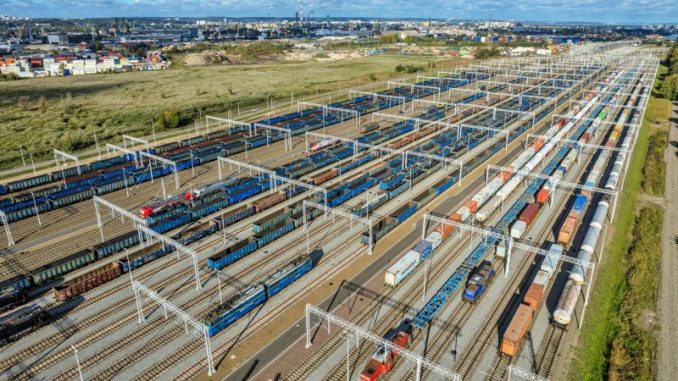
The European Union has adopted Regulation (EU) 2026/1184 on the use of railway infrastructure capacity, which entered into force in June 2026 and replaces the 2010 rail freight corridors regulation from December 2030. It moves away from a system where, as the Commission puts it, capacity is managed largely annually, nationally and through manual procedures, toward multiannual, coordinated planning across borders. One rapporteur described the deal as a turning point in treating railway capacity as a single European asset requiring integrated management, and the sector body CER estimated the reform could make existing capacity more efficient and increase it by around 4 percent.
Why capacity is rail's binding constraint
The reform lands on a network that is already the limiting factor. The EU wants rail freight to grow 50 percent by 2030 and to double by 2050, and that demand is arriving on infrastructure with finite slots, much of it congested and ageing. When capacity is the scarce input, the shipper who has secured it holds something competitors cannot easily buy in a crisis. That reframing sat at the centre of the argument supply chain strategist Wolfgang Lehmacher made at Everysens' Rail Tech Masterclass on instrumented rail assets, where he pressed shippers to stop asking only whether rail is cheaper than trucking and start treating modal choice as a decision about cost, climate and resilience together.
The strategic choice the rules sharpen
Lehmacher framed the decision facing every board as a choice between three postures: build capacity by investing directly in assets and terminals, partner for it through long-term arrangements and corridor coalitions, or depend on the market and buy capacity when needed. The new regulation raises the stakes on that choice, because coordinated cross-border planning rewards those who engage early with how capacity is allocated and leaves latecomers competing for whatever slots remain. His test for any of the three routes was blunt: the capacity you pay for has to be visible, utilised and reliable, or it is wasted money and lost resilience.
What shippers should do now
Three moves follow from the regulation and the strategy behind it:
- Lock your key corridors early. Identify the cross-border lanes that matter most and make deliberate rail and intermodal commitments on them now, while capacity is still available, rather than competing for it once the network tightens.
- Make the capacity you rely on visible. Instrument the trains and terminals you depend on so you know where assets are, how full they run and when they will arrive, because capacity you cannot see is capacity you cannot use under pressure.
- Pick a posture and commit. Whether you build, partner or depend, Lehmacher's point was that consistency beats improvisation, and the new allocation rules reward operators who engage with the system deliberately.
The visibility requirement running through all three is where Everysens works, turning fragmented rail data into capacity a team can actually plan around. Lehmacher's full argument, including the build, partner or depend framework and the data layer beneath it, is covered in our RailTech Masterclass with Wolfgang Lehmacher.
FAQ:
- What does Regulation (EU) 2026/1184 change? It shifts rail capacity management from national, annual, manual planning to coordinated multiannual planning across borders, and expands the role of the European Network of Infrastructure Managers, with the aim of cutting congestion and improving reliability.
- When does it take effect? It entered into force in 2026 and repeals the previous rail freight corridors regulation from December 2030, with the new capacity management framework phasing in over that period.


